Best Running Shoes for Beginners in 2026 — Top 5 Comfortable and Supportive Shoes That Make Your First Miles Pain-Free
Starting a running habit is one of the best things you can do for your health — and one of the fastest ways to get injured if you're wearing the wrong shoes. Beginner runners need cushioning, stability, and comfort above all else. You don't need $200 racing flats designed for sub-3-hour marathoners. You need shoes that protect your joints while your body adapts to the impact of running.
We researched the top-rated running shoes for beginners in 2026, focusing on cushioning technology, fit, durability, and value. These picks are perfect for your first 5K, Couch to 5K programs, or just getting into a regular running routine.
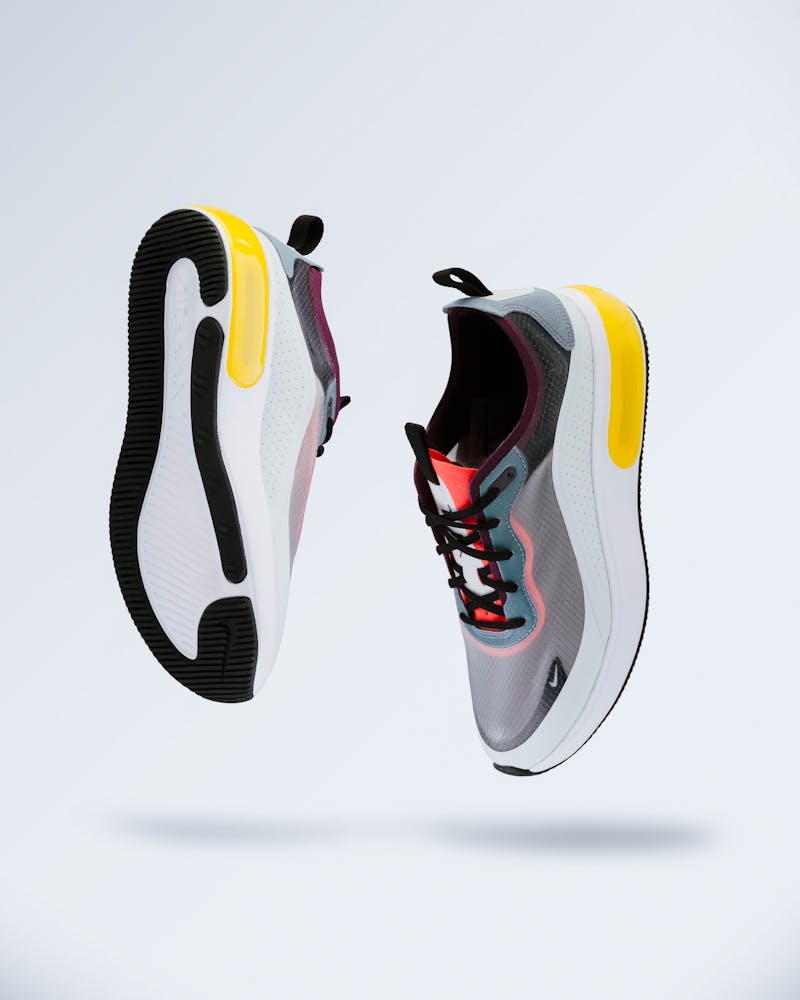
What Makes a Good Running Shoe for Beginners?
Before we get to the list, here's what to look for as a new runner:
Cushioning: Your body isn't used to the repetitive impact of running. More cushioning = less stress on knees, ankles, and shins. Look for EVA foam, Nike ZoomX, or Adidas Boost midsoles.
Stability: Many beginners overpronate (feet roll inward). Stability shoes have medial posts or guide rails that keep your foot aligned without restricting natural movement.
Fit: Your running shoes should be half a size larger than your dress shoes. Feet swell during running, and tight shoes cause blisters and black toenails.
Weight: Lighter shoes feel faster but offer less cushioning. For beginners, prioritize cushioning over weight. You can move to lighter shoes once you've built a base.
1. Brooks Ghost 16 — Best Overall Running Shoe for Beginners
The Brooks Ghost 16 has been the most recommended beginner running shoe for years, and the 2026 version is the best yet. It uses Brooks' DNA LOFT v2 cushioning — a nitrogen-infused foam that's soft on landing but responsive on toe-off. The mesh upper is breathable, the heel collar is padded, and the fit is neutral enough for almost any foot type.
Key specs:
- Cushioning: DNA LOFT v2 (nitrogen-infused)
- Drop: 12mm
- Weight: 9.6 oz (men's) / 8.4 oz (women's)
- Support: Neutral
- Best for: Road running, treadmill, daily training
Pros: Plush cushioning that doesn't feel mushy, versatile for walks and runs, wide toe box option available, excellent durability (400+ miles).
Cons: Not the lightest option. Design is functional, not flashy. Narrow fit for some — go wide if you have wider feet.
Price: ~$140
2. Nike Pegasus 41 — Best Nike Running Shoe for New Runners
The Nike Pegasus is Nike's most popular running shoe of all time, and the 41st edition delivers the best combination of cushioning and responsiveness yet. It features dual Air Zoom units in the forefoot and heel, React foam throughout, and an engineered mesh upper that hugs the foot without feeling tight.
Key specs:
- Cushioning: React foam + dual Air Zoom units
- Drop: 10mm
- Weight: 10.0 oz (men's) / 8.5 oz (women's)
- Support: Neutral
- Best for: Road running, gym, everyday wear
Pros: Bouncy and responsive, great for both running and casual wear, tons of colorways, Nike's ecosystem (app integration, custom fits).
Cons: Slightly firmer than Brooks Ghost — less forgiving on long runs for heavier runners. Air Zoom units can feel stiff in cold weather.
Price: ~$135
3. ASICS Gel-Nimbus 26 — Best Maximum Cushioning
If you want the softest possible ride, the ASICS Gel-Nimbus 26 is the answer. It uses ASICS' FF BLAST PLUS eco cushioning — their softest midsole foam ever — combined with PureGEL inserts in the heel that absorb impact before you even feel it. This shoe was designed for runners who want to feel like they're running on clouds.
Key specs:
- Cushioning: FF BLAST PLUS eco + PureGEL
- Drop: 8mm
- Weight: 10.0 oz (men's) / 8.8 oz (women's)
- Support: Neutral
- Best for: Long runs, recovery runs, heavier runners
Pros: Softest cushioning in this list, PureGEL heel absorbs maximum impact, knit upper feels like a sock, great for runners with joint concerns.
Cons: Softness means less energy return — feels sluggish at faster paces. Pricier at ~$160. May be too much shoe for shorter runs.
Price: ~$160
4. New Balance Fresh Foam X 1080v13 — Best Plush Comfort
The New Balance 1080v13 sits in the sweet spot between soft and responsive. The Fresh Foam X midsole is New Balance's most advanced cushioning — softer than previous versions but with enough structure to keep your stride efficient. The Hypoknit upper wraps the foot securely, and the Ultra Heel design eliminates slippage.
Key specs:
- Cushioning: Fresh Foam X
- Drop: 6mm
- Weight: 10.3 oz (men's) / 8.6 oz (women's)
- Support: Neutral
- Best for: Daily training, long runs, all-day comfort
Pros: Extremely comfortable for long distances, Hypoknit upper adapts to foot shape, low 6mm drop encourages natural stride, stylish enough for casual wear.
Cons: Runs slightly narrow — wide width recommended for most. Outsole durability is average (300-350 miles). Higher price point at ~$165.
Price: ~$165
5. Saucony Ride 17 — Best Budget-Friendly Beginner Shoe
The Saucony Ride 17 is the best beginner running shoe under $130. It uses Saucony's PWRRUN+ cushioning — a responsive, lightweight foam that performs well across all distances. The FormFit upper molds to your foot shape over time, and the outsole's rubber placement is strategic — covering high-wear areas without adding unnecessary weight.
Key specs:
- Cushioning: PWRRUN+
- Drop: 8mm
- Weight: 9.5 oz (men's) / 8.1 oz (women's)
- Support: Neutral
- Best for: Daily training, 5K-half marathon, tempo runs
Pros: Lightest shoe in this list, excellent responsiveness, FormFit upper customizes over time, great value under $130.
Cons: Less cushioning than ASICS Nimbus or NB 1080 — not ideal for very heavy runners. Color options are more limited.
Price: ~$125
How to Pick the Right Shoe for You
Heavier runners (200+ lbs): ASICS Gel-Nimbus 26 or NB 1080v13 — maximum cushioning protects joints
Budget-conscious: Saucony Ride 17 — best performance under $130
Overpronators: Consider the Brooks Adrenaline GTS 24 instead (stability version of the Ghost)
Treadmill runners: Nike Pegasus 41 — responsive cushioning works great indoors
All-around best: Brooks Ghost 16 — works for virtually everyone
Beginner Running Tips to Prevent Injury
The right shoes are just the start. Here are evidence-based tips to stay injury-free as a new runner:
Follow the 10% rule: Don't increase weekly mileage by more than 10%. If you ran 10 miles this week, cap next week at 11.
Run/walk intervals: Start with 1 minute running, 2 minutes walking. Gradually increase the running intervals over 6-8 weeks.
Replace shoes every 300-500 miles: Midsole foam breaks down before the outsole wears out. Track your mileage using a running app like Strava or Nike Run Club.
Strength train: Two days per week of squats, lunges, and calf raises reduces running injury risk by 50% according to the British Journal of Sports Medicine.
Our Top Pick: Brooks Ghost 16
For the vast majority of beginner runners, the Brooks Ghost 16 is the safest and smartest choice. It's cushioned enough to protect new joints, durable enough to last 400+ miles, and neutral enough to work for almost any foot type. It's the shoe running stores recommend more than any other for a reason.
If you're on a budget, grab the Saucony Ride 17 — it's lighter, responsive, and saves you $15-40 compared to the competition.
→ Get the Brooks Ghost 16 on Amazon
Affiliate Disclosure: This post contains affiliate links. If you purchase through these links, we may earn a small commission at no extra cost to you. We only recommend products we've researched and believe deliver real value.
Comments
Post a Comment