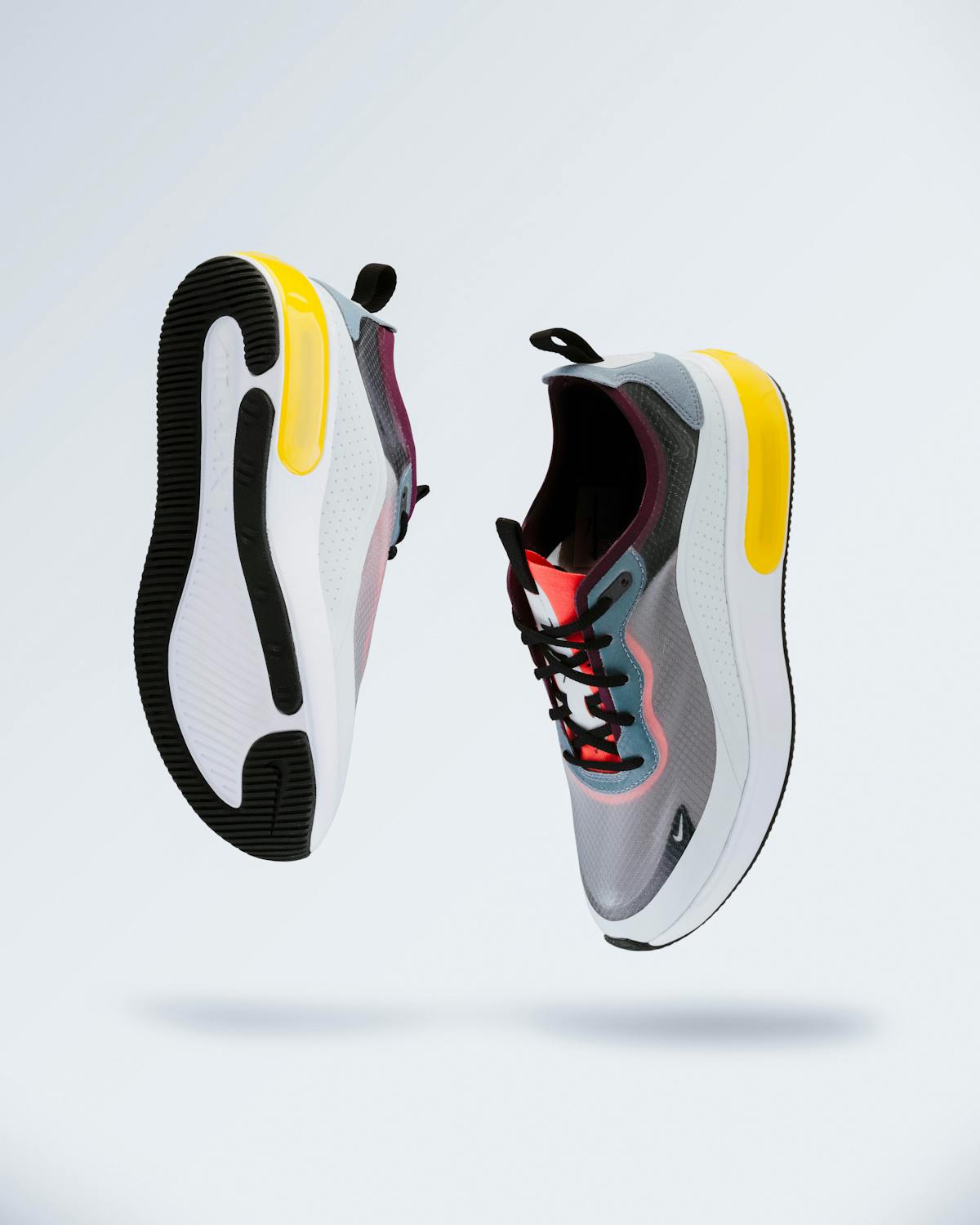
In what might be the most unexpected corporate pivot of 2026, sustainable shoe brand Allbirds just announced it's abandoning footwear entirely to become an artificial intelligence company. And the market is losing its mind — shares surged a staggering 580% in a single trading session.
If you're scratching your head right now, you're not alone. The company that once convinced Silicon Valley that wool sneakers were the future of fashion has decided that AI is, apparently, an even better future. Let's break down what happened, why it matters, and whether this is genius or madness.
From Merino Wool to Machine Learning
Allbirds, founded in 2016 by Tim Brown and Joey Zwillinger, built its brand on sustainable materials and eco-friendly manufacturing. The company went public in November 2021 at a valuation of around $4 billion. But things went downhill fast — by early 2026, the stock was trading at pennies, the company was hemorrhaging cash, and the sustainable footwear market had become brutally competitive.
So what do you do when your shoe company is circling the drain? If you're Allbirds, you pivot to the hottest sector in the world: artificial intelligence.
The company announced it would leverage its existing supply chain data infrastructure and sustainability algorithms to build AI-powered solutions for the fashion and retail industry. Think predictive demand forecasting, automated supply chain optimization, and AI-driven sustainability auditing tools.
Why the Stock Went Parabolic
A 580% single-day gain is the kind of move that makes day traders weep with joy and short sellers weep with actual tears. But is there substance behind the surge?
The answer is complicated. On one hand, Allbirds does have legitimate data assets from years of running a direct-to-consumer operation. They've collected enormous amounts of information about consumer behavior, supply chain logistics, and material sourcing. That data could theoretically be valuable in training AI models for the retail sector.
On the other hand, pivoting from making shoes to building enterprise AI software is like a pizza shop deciding to become a cybersecurity firm. The core competencies don't exactly overlap.
"This is either the most brilliant reinvention since Netflix went from DVDs to streaming, or it's the most desperate Hail Mary since... well, since the last company that slapped 'AI' on their name to boost their stock price."
— Wall Street analyst, speaking anonymously
The AI Name Game Is Still Alive and Well
We've seen this movie before. Remember when Long Island Iced Tea Corp changed its name to Long Blockchain Corp in 2017 and watched its stock triple overnight? Or when countless companies added ".com" to their names during the dot-com bubble?
The AI version of this trend has been raging since late 2023, and apparently it's not slowing down in 2026. Companies across every sector — from fitness brands to agricultural firms — have been rebranding as "AI companies" to capture investor enthusiasm.
But here's the thing: some of these pivots actually work. Nvidia was a gaming GPU company before it became the backbone of the AI revolution. Amazon was a bookstore. The question is whether Allbirds has the talent, technology, and tenacity to pull off a genuine transformation.
What Allbirds' AI Play Actually Looks Like
According to the company's press release, Allbirds is developing three core AI products:
1. RetailMind: An AI-powered demand forecasting tool that uses consumer behavior data to predict which products will sell, when, and where. The company claims it can reduce unsold inventory by up to 40%.
2. SupplyChain AI: An optimization platform that maps entire supply chains and identifies inefficiencies, carbon hotspots, and cost-saving opportunities using machine learning algorithms.
3. SustainScore: An automated sustainability auditing tool that can analyze a company's environmental impact across its entire operation and suggest improvements.
If these tools actually work as described, there's a genuine market for them. The global retail AI market is projected to hit $31 billion by 2028, and sustainability compliance is becoming mandatory in the EU and increasingly important in the US.
Should You Buy the Hype?
Let's be real: a 580% gain in one day is almost certainly an overreaction. History tells us that these kinds of moves are followed by significant pullbacks as reality sets in. If you're thinking about jumping in, proceed with extreme caution.
That said, if you're interested in understanding AI and the business landscape it's creating, there are some excellent resources worth checking out. Books on AI business strategy can help you understand which companies are genuinely innovating versus which ones are just riding the hype wave.
For investors who want to do proper due diligence, a solid investing fundamentals guide is essential — especially in a market where AI-related stocks are moving on sentiment rather than earnings.
The Bigger Picture: AI Is Eating Everything
Whether Allbirds succeeds or fails, their pivot tells us something important about where we are in the AI cycle. When a shoe company decides it would rather be an AI company, that's a signal about how powerful the gravitational pull of artificial intelligence has become.
We're in an era where every company is either building AI, using AI, or pretending to use AI. The companies that figure out genuine AI applications — ones that solve real problems and generate real revenue — will thrive. The ones that are just slapping an AI label on their existing business will eventually be exposed.
Allbirds has roughly 18 months of runway to prove they're the former, not the latter. The clock is ticking, and 580% worth of investor expectations are now sitting on their shoulders.
What Happens Next
Keep your eyes on Allbirds' next quarterly earnings report, expected in May. That's when we'll get the first real look at how much they're investing in AI talent and infrastructure, and whether any customers have actually signed up for their new products.
In the meantime, the stock will likely be incredibly volatile. Day traders will love it. Long-term investors should probably wait for more data before making any moves.
One thing is certain: the line between "tech company" and "everything else" continues to blur. In 2026, apparently even your sneakers want to be an AI startup.
Affiliate Disclosure: Some links in this article are affiliate links. If you make a purchase through these links, we may earn a small commission at no extra cost to you. This helps support The Smart Pick and allows us to continue providing free content.
Comments
Post a Comment