Elon Musk Is Reportedly Forcing SpaceX IPO Advisors to Buy Grok Subscriptions — And the Internet Has Thoughts
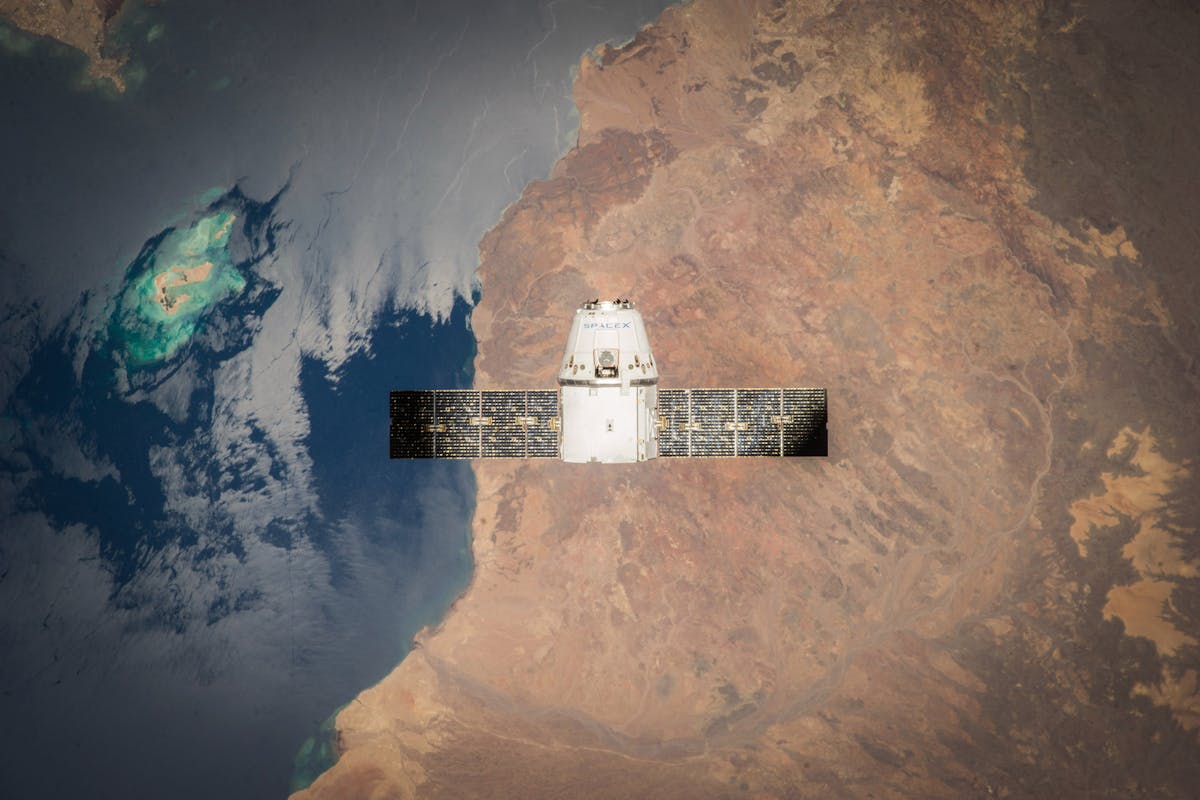
Just when you think the Elon Musk news cycle can't get any wilder, April 2026 delivers yet another jaw-dropper. According to a bombshell report from The New York Times, Musk is demanding that all banks, law firms, auditors, and financial advisors working on the upcoming SpaceX IPO purchase subscriptions to Grok — his AI chatbot that now operates under the SpaceX corporate umbrella.
Yes, you read that correctly. If you want to be part of one of the most anticipated IPOs in history, you apparently need to subscribe to Musk's AI product first. Welcome to 2026.
The SpaceX IPO: The Biggest Tech Offering in Years
Let's set the stage. SpaceX, Musk's rocket and satellite company, has been privately held since its founding in 2002. For over two decades, investors have been salivating at the prospect of a public offering. The company is estimated to be worth north of $350 billion, making it one of the most valuable private companies in human history.
When SpaceX announced its intention to go public earlier this year, Wall Street went into a frenzy. Every major investment bank — Goldman Sachs, Morgan Stanley, JP Morgan — was reportedly vying for a spot in the underwriting syndicate. The IPO is expected to be the largest technology offering since, well, maybe ever.
But there's a catch. And it's a very Elon Musk-shaped catch.
The Grok Mandate: What We Know
According to the Times report, Musk has issued a directive requiring all companies involved in the SpaceX IPO process to purchase enterprise subscriptions to Grok, xAI's artificial intelligence chatbot. The mandate reportedly extends to:
Investment banks handling the underwriting and book-building process
Law firms managing the legal and regulatory filings
Auditing firms verifying SpaceX's financial statements
Financial advisors and consultants working on the deal
The enterprise Grok subscription is believed to cost in the range of $30 to $50 per user per month, depending on the tier. For large banks and law firms with hundreds or thousands of employees, this could translate to millions of dollars in subscription revenue flowing directly to Musk's AI venture.
"Banks, law firms, auditors and other advisers working on the SpaceX IPO have been told to buy subscriptions to Grok." — The New York Times, April 3, 2026
Why This Is So Controversial
On the surface, a billionaire CEO asking business partners to use a specific software product might seem like a minor quirk. But dig deeper and several serious concerns emerge.
Conflict of Interest
Musk is simultaneously the CEO of SpaceX and the controlling figure behind xAI (which builds Grok). By forcing IPO advisors to buy Grok subscriptions, he's essentially using his leverage in one business to drive revenue to another. This is the kind of related-party transaction that typically raises red flags with regulators and investors.
Coercive Dynamics
The SpaceX IPO is expected to generate hundreds of millions of dollars in advisory fees. Banks and law firms are competing fiercely for this business. In that context, a "request" from Musk to buy Grok subscriptions isn't really a request — it's a condition. The power imbalance makes it nearly impossible for advisors to say no.
Inflating Grok's Numbers
Perhaps the most cynical interpretation: this move artificially inflates Grok's enterprise adoption metrics. If dozens of major financial institutions suddenly appear as Grok enterprise customers, it paints a picture of organic demand that may not actually exist. This matters because xAI is itself reportedly seeking additional funding, and strong enterprise adoption numbers would justify a higher valuation.

The Internet Reacts
As you might expect, the internet had a field day with this story. Social media reactions ranged from amused to outraged:
Tech commentators pointed out the irony of Musk — a self-proclaimed champion of free markets — essentially forcing companies to buy his product as a condition of doing business. Critics called it "pay-to-play with extra steps." Supporters argued that Musk is simply promoting a product he believes in and that companies are free to walk away from the IPO if they disagree.
The meme economy, naturally, was the biggest winner. Within hours of the report, Twitter (or X, as Musk prefers) was flooded with jokes about what other Musk products IPO advisors might be required to buy next. Tesla Cybertrucks? Starlink subscriptions? Flamethrowers?
The Bigger Story: The SpaceX-xAI-X Mega Merger
To understand why Musk feels comfortable making such a demand, you need to understand the corporate restructuring that happened in late 2025. Musk merged xAI (his AI company) and X (formerly Twitter) under the SpaceX corporate umbrella, creating a mega-entity that combines rockets, satellites, social media, and artificial intelligence.
This merger means that when SpaceX goes public, investors are effectively buying a stake in Musk's entire technology empire — not just a rocket company. Grok's performance and adoption numbers become material to SpaceX's overall valuation, which gives Musk every incentive to juice those numbers before the IPO.
It's a masterstroke of corporate strategy, even if it makes governance experts nervous. By bundling everything together, Musk has created a company that's virtually impossible to value using traditional methods — and he's using every tool at his disposal to ensure the valuation is as high as possible.
What Does This Mean for Investors?
If you're considering investing in SpaceX when it eventually goes public, this Grok mandate should give you pause — not necessarily to stay away, but to think critically about the numbers you'll be shown.
Due diligence is everything. When SpaceX's S-1 filing eventually drops, pay close attention to how xAI/Grok revenue is reported. How much of it comes from genuine enterprise adoption versus mandated purchases? What are the retention rates? Are these subscriptions actually being used, or are they shelfware?
Governance concerns are real. Musk's track record of related-party transactions — from SolarCity's acquisition by Tesla to the SpaceX-xAI merger — has long been a source of investor concern. This latest move adds to that pattern.
But the fundamentals are strong. Let's not lose sight of the fact that SpaceX is, by any measure, one of the most successful technology companies of the 21st century. Starlink alone is projected to generate tens of billions in annual revenue. The Starship program is revolutionizing space access. Whatever you think of Musk's tactics, the underlying business is extraordinary.
For investors who want to stay informed about IPO investing strategies and financial analysis, a solid foundation in market fundamentals is essential. Books like top-rated IPO and stock market investing guides can help you navigate these complex waters.
The SEC Question
Legal experts are already debating whether the Grok mandate could attract regulatory scrutiny. The Securities and Exchange Commission generally frowns on arrangements where IPO participants are required to engage in unrelated commercial transactions as a condition of participation. It's similar to the concept of "tying" in antitrust law.
That said, proving a violation would be difficult. Musk could argue that Grok is a legitimate productivity tool that enhances the IPO process, and that the recommendation was just that — a recommendation. The line between a "strong suggestion" and a "requirement" is notoriously fuzzy in the world of high-stakes finance.
Don't expect SEC enforcement action anytime soon, but do expect this to become a talking point during congressional hearings about tech industry power concentration.
The Bottom Line
Love him or hate him, Elon Musk continues to rewrite the rules of business in real-time. The Grok mandate is audacious, possibly problematic, and entirely on-brand for a man who has never let convention stand in the way of his ambitions.
The SpaceX IPO will be one of the defining financial events of 2026. And if this Grok story is any indication, the road to that IPO is going to be anything but boring.
Whether you're a potential investor, a tech enthusiast, or just someone who enjoys watching the Musk spectacle unfold, one thing is clear: in the age of AI and mega-mergers, the old rules no longer apply. Strap in.
Comments
Post a Comment