YouTube Just Made Picture-in-Picture Free for Everyone Worldwide — Here's What It Means for Your Phone in 2026
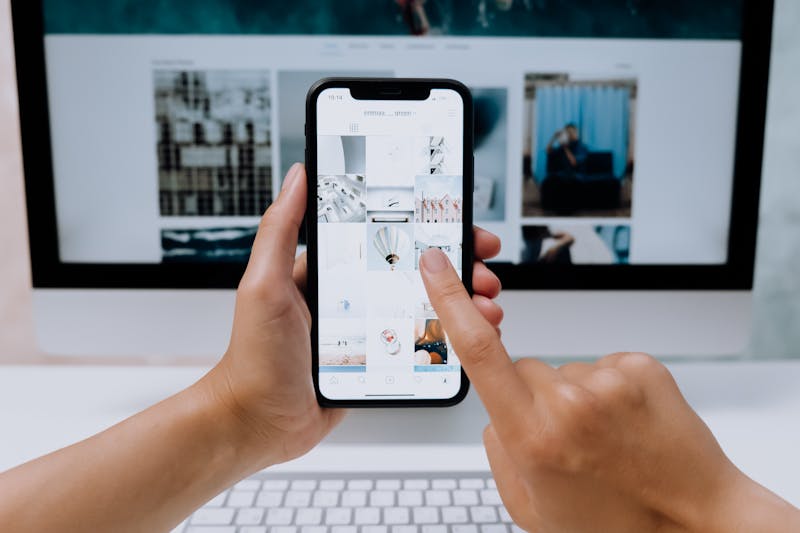
If you've ever been jealous of YouTube Premium subscribers casually watching videos in a tiny floating window while texting their friends, your wait is finally over. As of April 30, 2026, YouTube has officially rolled out free picture-in-picture (PiP) mode to all users worldwide on both Android and iOS. No Premium subscription required. No tricks. No workarounds.
This is one of those rare moments where a tech giant actually gives something away instead of locking it behind another paywall. Let's break down what happened, why it matters, and how to make the most of it.
What Exactly Changed?
Picture-in-picture lets you minimize a YouTube video into a small floating window that hovers over whatever else you're doing on your phone. Want to watch a cooking tutorial while checking your grocery list? Done. Following a live sports stream while responding to emails? Easy. It's multitasking for the video age.
Previously, this feature was available for free only in the United States on Android devices. iPhone users everywhere and Android users outside the US had to pay for YouTube Premium ($13.99/month) to access it. That paywall has now been completely removed.
The rollout is happening server-side, which means you don't need to update the app — it'll just start working. Some users reported getting access as early as yesterday, and YouTube confirmed the global expansion is now complete.
Why YouTube Is Doing This Now
Let's be real — YouTube didn't suddenly become generous out of the goodness of its algorithm-driven heart. There are strategic reasons behind this move:
Competition is heating up. TikTok, Instagram Reels, and Shorts are eating into YouTube's watch time. By making PiP free, YouTube keeps users inside the app longer, even when they're technically doing something else. Every second of background playback is another ad impression.
Premium growth has plateaued. Reports suggest YouTube Premium subscriber growth slowed significantly in late 2025. Removing PiP as a premium perk suggests Google is shifting its monetization strategy — likely betting that increased engagement and ad revenue from free PiP users will outweigh the lost subscription incentive.
Regulatory pressure. The EU's Digital Markets Act has been pushing tech companies to unbundle features that could be considered anti-competitive. While PiP wasn't specifically targeted, the broader regulatory climate encourages making basic functionality freely available.
How to Enable PiP on Your Device
For most users, PiP should work automatically. But if it's not showing up, here's how to check:
On Android:
1. Open your phone's Settings → Apps → YouTube → Picture-in-picture
2. Toggle "Allow picture-in-picture" to ON
3. Open YouTube, start a video, and swipe up to go home — the video should shrink into a floating window
On iPhone:
1. Go to Settings → General → Picture in Picture and enable it
2. In the YouTube app, go to Settings → General → Picture-in-picture and turn it on
3. Start a video, swipe up — you should see the floating player
If you're still not seeing it, force-close the YouTube app and reopen it. The server-side update should kick in within 24-48 hours for stragglers.
What This Means for YouTube Premium
With PiP gone as a premium incentive, what's left to justify that $13.99/month? Actually, still quite a bit:
• Ad-free viewing — arguably the biggest draw
• Background playback (audio continues when screen is off) — still Premium-only
• YouTube Music Premium included
• Offline downloads
• Higher video quality options on some content
Background playback is the key differentiator here. PiP keeps the video visible in a small window. Background playback lets you lock your phone and keep listening — crucial for music, podcasts, and long-form content. If you're someone who uses YouTube as a music player (and millions do), Premium still has a strong value proposition.
That said, if PiP was your only reason for subscribing, you just saved $168 a year. Not bad.
The Bigger Picture: Tech Companies Unbundling Premium Features
YouTube's move is part of a broader trend. Twitter/X made certain formerly premium features free. Spotify has been testing free audiobooks. Apple opened up iMessage features to Android. The pattern is clear: lock users in with engagement first, monetize later.
For consumers, this is mostly good news. Features that arguably should have been free all along are becoming accessible. The trade-off? More ads, more data collection, and more sophisticated ways to keep you glued to your screen.
If you want to enhance your mobile viewing experience even further, a solid pair of wireless earbuds makes a huge difference for PiP multitasking. The latest wireless earbuds offer incredible sound quality and noise cancellation that pairs perfectly with floating video windows.
What Users Are Saying
The reaction online has been overwhelmingly positive, with a side of "about time":
"I've been using janky browser workarounds for PiP on my iPhone for two years. Finally YouTube just... does it." — Reddit user
"RIP to my Premium subscription. PiP was literally the only reason I paid." — X/Twitter user
Content creators are also celebrating. More PiP usage means more watch time, which means more ad revenue. It's a win-win — or at least a win-win-win, with Google collecting the third win via increased ad inventory.
The Bottom Line
YouTube making PiP free globally is one of those no-brainer moves that makes you wonder why it took so long. It improves the experience for billions of users, keeps YouTube competitive against short-form rivals, and honestly, it was always a bit absurd that a basic OS-level feature was locked behind a subscription.
If you've been on the fence about whether YouTube Premium is worth it, this changes the math. PiP alone wasn't worth $14/month — but ad-free viewing plus background audio plus YouTube Music? That's a different conversation.
For now, enjoy your floating videos. You've earned them.
Affiliate Disclosure: The Smart Pick may earn a commission from qualifying purchases made through affiliate links in this article. This doesn't affect our editorial independence or the price you pay.
Comments
Post a Comment