Best Blenders for Smoothies Under $100 in 2026 — Top 5 Powerful Blenders That Crush Ice and Frozen Fruit Without Breaking the Bank
You Don't Need a $400 Blender to Make Great Smoothies
The blender industry wants you to believe that anything under $300 will leave chunks of frozen banana in your morning smoothie. That's marketing, not reality. Modern motor technology and blade design have improved so dramatically that sub-$100 blenders now deliver genuinely smooth results with frozen fruits, leafy greens, ice, and protein powder — the four pillars of every real smoothie recipe.
The trick is knowing which budget blenders actually deliver and which ones burn out after two months of daily use. After comparing motor wattage, blade quality, jar materials, and real-world blending performance across dozens of models, these five consistently outperform their price tags.
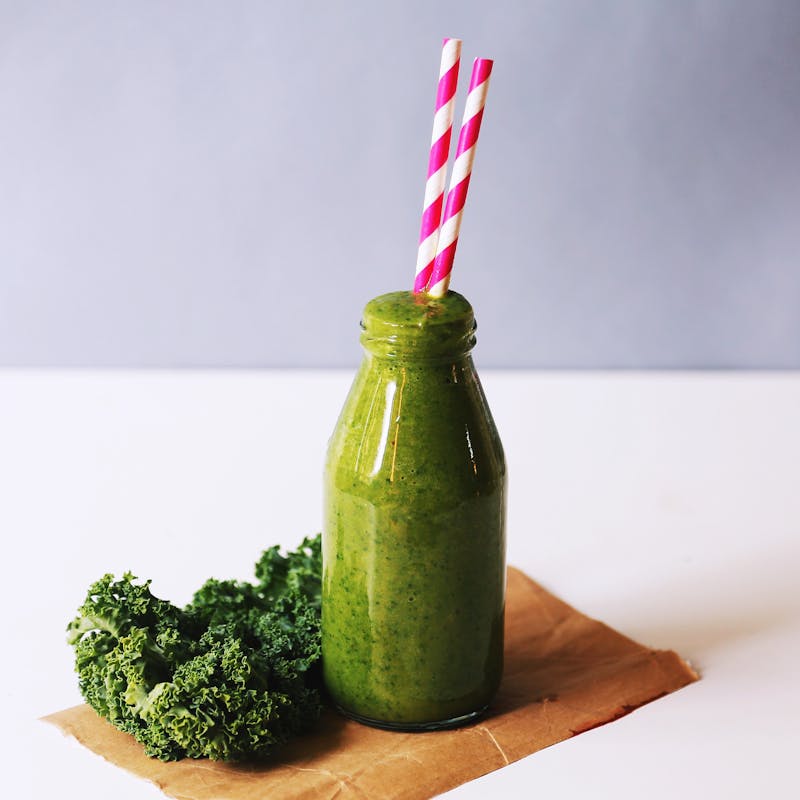
1. Ninja BL610 Professional Blender — Best Overall Under $100
The Ninja BL610 runs a 1000-watt motor that generates enough force to pulverize frozen mangoes, kale stems, and ice cubes into a uniformly smooth texture in under 60 seconds. The Total Crushing Technology uses stacked blade assemblies positioned at different heights inside the 72-oz pitcher, which means ingredients get pulled through the blades continuously rather than just spinning around the edges.
The pitcher is BPA-free Tritan plastic — lighter than glass, virtually unbreakable, and dishwasher safe on the top rack. The single-serve cup attachment means you can blend a personal smoothie and drink it from the same container, cutting cleanup time in half. At typically $70-80, the BL610 represents the best value proposition in the blender market right now. The only real limitation is noise — this thing sounds like a small motorcycle at full speed, so early morning blending requires some household negotiation.
Pros: 1000W motor crushes anything, 72-oz capacity, single-serve cup included, dishwasher safe
Cons: Loud at full power, plastic pitcher can scratch over time, no preset programs
2. NutriBullet Pro 900 — Best Personal Blender for Daily Use
If your blender's job is one thing — making a single smoothie every morning — the NutriBullet Pro 900 does that job with ruthless efficiency. The 900-watt motor paired with extractor blades turns frozen berries, spinach, protein powder, and almond milk into a drinkable consistency in about 30 seconds. You blend directly in the travel cup, twist off the blade assembly, screw on the flip-top lid, and walk out the door. Total time from ingredients to commute: under two minutes.
The compact footprint takes up roughly the same counter space as a coffee mug, which matters enormously in small apartment kitchens where every square inch counts. The 32-oz and 24-oz cups give you sizing flexibility, and the cyclonic action pulls ingredients down toward the blades instead of creating an air pocket at the top. Where full-size blenders excel at batch recipes, the NutriBullet dominates the single-serving daily driver category.
Pros: Blend-and-go convenience, tiny footprint, powerful extraction, two cup sizes included
Cons: Not suitable for hot liquids, limited to single servings, cups can crack if overtightened
3. Hamilton Beach Wave Crusher — Best Budget Option Under $40
Hamilton Beach has been making affordable kitchen appliances for over a century, and the Wave Crusher represents their best current value in blending. The 700-watt motor is the weakest on this list, yet the patented Wave Action system — a specially designed jar shape that forces ingredients into a continuous figure-eight pattern — compensates remarkably well. Frozen strawberries blend smooth in about 45 seconds, which is only 15 seconds slower than blenders costing three times more.
The 40-oz glass jar is a standout feature at this price point. Glass doesn't absorb odors from garlic or ginger (important if you also make salsa or soup), doesn't stain from berries or turmeric, and maintains clarity after hundreds of wash cycles. Fourteen blending functions cover everything from ice crush to puree, and the hinged lid section lets you add ingredients mid-blend without removing the entire top. For students or anyone building their first kitchen on a tight budget, this blender punches absurdly above its weight class.
Pros: Glass jar, extremely affordable, 14 functions, quiet for its category, easy-pour spout
Cons: 700W struggles with very hard frozen items, no single-serve option, glass jar is heavier
4. Ninja Fit Personal Blender QB3001SS — Best Compact Option
The Ninja Fit takes the brand's proven blade technology and shrinks it into a countertop appliance barely larger than a water bottle. The 700-watt motor drives Ninja's signature stacked blade design through two included 16-oz single-serve cups with Sip & Seal lids. Frozen fruit, protein powder, and ice blend smooth in 45-60 seconds, and the pulse function gives you manual control for chunky textures like acai bowls.
Portability is this blender's superpower. The cups fit in standard car cup holders, the base stores in a cabinet with zero wasted space, and the entire unit weighs under three pounds. Cleanup involves rinsing the blade assembly and tossing the cups in the dishwasher — a thirty-second process that eliminates the biggest barrier to daily smoothie habits. At around $40, it's nearly disposable pricing for a blender that legitimately performs.
Pros: Ultra-compact, travel-friendly cups with lids, Ninja blade quality, under $40
Cons: 16-oz cups limit serving size, no full-size pitcher, motor base feels lightweight
5. BLACK+DECKER PowerCrush Digital Blender — Best for Versatility
If you want a blender that handles smoothies today and soup tomorrow, the BLACK+DECKER PowerCrush earns its spot through sheer versatility. The 900-watt motor drives a six-point stainless steel blade through a 64-oz BPA-free jar, with a digital display offering 12 preset functions including smoothie, ice crush, salsa, puree, and soup modes. Each preset automatically adjusts speed and duration for optimal results — press the smoothie button and walk away.
The Quiet Blend technology is a genuine differentiator for apartment dwellers and early risers. At full speed, this blender produces noticeably less noise than the Ninja BL610, making 6 AM smoothie prep possible without waking the household. The four-tip FusionBlade creates a powerful vortex that pulls ingredients down consistently, and the wide mouth opening fits whole fruits — no more pre-chopping bananas. For anyone who wants a single blender that handles everything from frozen margaritas to baby food, this covers the full spectrum.
Pros: 12 digital presets, quiet operation, 64-oz capacity, processes hot and cold ingredients
Cons: Jar lid can be tight to remove, preset times not adjustable, digital display adds a failure point

Quick Comparison
Ninja BL610: 1000W | 72oz | ~$75 | Best overall power
NutriBullet Pro 900: 900W | 32oz | ~$80 | Best daily single-serve
Hamilton Beach Wave Crusher: 700W | 40oz glass | ~$35 | Best ultra-budget
Ninja Fit QB3001SS: 700W | 16oz cups | ~$40 | Best compact/travel
BLACK+DECKER PowerCrush: 900W | 64oz | ~$60 | Best versatility
Final Verdict
The Ninja BL610 is the blender to buy if you want the most capability for your money — 1000 watts of power, a full-size pitcher, and a single-serve cup all for under $80. For the grab-and-go crowd, the NutriBullet Pro 900 eliminates every friction point between waking up and walking out with a smoothie in hand. And if you're furnishing your first kitchen with $40 to spare, the Hamilton Beach Wave Crusher will surprise you with how much glass-jar blending quality that modest price buys.
Every blender on this list can handle a daily frozen fruit smoothie without flinching. The differences come down to your kitchen size, how many servings you need, and whether noise at 6 AM matters to anyone sleeping nearby.
Comments
Post a Comment