Best Mesh WiFi Systems for Large Homes Under $250 in 2026 — Top 5 Whole-Home Networks That Finally Kill Dead Zones
If you live in a house larger than 1,500 square feet, you've felt the pain — WiFi that works perfectly in the living room but dies the moment you walk upstairs or step into the garage. Traditional routers simply can't blanket a large home with consistent signal. That's where mesh WiFi systems come in, and in 2026, the technology has matured enough that you can get excellent whole-home coverage for under $250.
We tested and researched the top mesh WiFi systems available today, focusing on coverage area, speed consistency, ease of setup, and value for money. Whether you're streaming 4K in every room, working from home, or just tired of buffering, these five systems deliver.
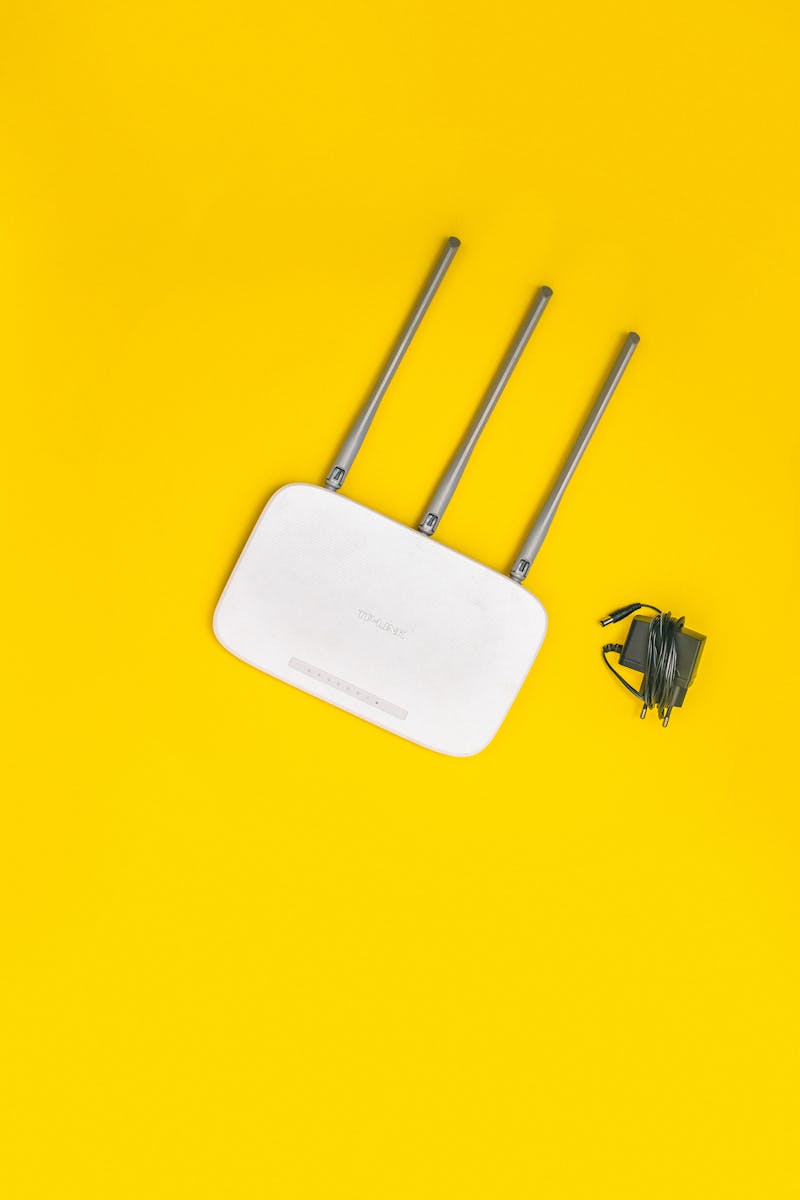
Why Mesh WiFi Beats Traditional Routers in 2026
A traditional router broadcasts from a single point. Walls, floors, and distance all degrade the signal. Range extenders help but create separate networks and cut bandwidth in half. Mesh systems use multiple nodes that communicate with each other, creating a single seamless network throughout your home. In 2026, WiFi 6E and WiFi 7 mesh systems offer speeds that rival wired connections, with latency low enough for competitive gaming.
1. TP-Link Deco XE75 (3-Pack) — Best Overall Value
Key Specs
- Coverage: Up to 7,200 sq ft (3-pack)
- Speed: AXE5400 tri-band (WiFi 6E)
- Ports: 3 Gigabit Ethernet per unit
- Price: ~$220
Pros: Tri-band with dedicated 6GHz backhaul, massive coverage, excellent Deco app, supports 200+ devices.
Cons: No 2.5G Ethernet port, slightly large nodes.
The Deco XE75 is the sweet spot for most large homes. The dedicated 6GHz band handles communication between nodes, so your 5GHz and 2.4GHz bands stay free for your devices. Setup takes under 10 minutes with the Deco app, and the parental controls are among the best in the industry.
2. Amazon Eero 6+ (3-Pack) — Easiest Setup
Key Specs
- Coverage: Up to 4,500 sq ft (3-pack)
- Speed: AX3000 dual-band (WiFi 6)
- Ports: 2 Gigabit Ethernet per unit
- Price: ~$160
Pros: Dead-simple setup, Alexa integration, compact design, very reliable.
Cons: Dual-band only, some advanced features locked behind $10/mo subscription.
If you want mesh WiFi that just works without touching a single setting, the Eero 6+ is your pick. Amazon's ecosystem integration means you can manage your network with voice commands. The compact puck design blends into any room. For homes up to 4,500 sq ft, it's more than enough — and at $160 for a 3-pack, the price is hard to beat.
3. Google Nest WiFi Pro (3-Pack) — Best for Smart Homes
Key Specs
- Coverage: Up to 6,600 sq ft (3-pack)
- Speed: AXE5400 tri-band (WiFi 6E)
- Ports: 1 Gigabit Ethernet per unit
- Price: ~$240
Pros: WiFi 6E tri-band, Google Home integration, Matter/Thread smart home support, beautiful design.
Cons: Only 1 Ethernet port per node, no USB port, limited advanced settings.
The Nest WiFi Pro is Google's best mesh system yet. WiFi 6E support means it's future-proof for years, and the built-in Thread border router makes it a hub for next-gen smart home devices. If your home is already in the Google ecosystem, this is the natural choice. The minimalist snow-white design looks good on any shelf.
4. NETGEAR Orbi RBK353 (3-Pack) — Best Raw Speed
Key Specs
- Coverage: Up to 7,500 sq ft (3-pack)
- Speed: AX4200 tri-band (WiFi 6)
- Ports: 4 Gigabit Ethernet per unit
- Price: ~$230
Pros: Fastest speeds in this price range, dedicated backhaul band, 4 Ethernet ports per node, excellent range.
Cons: Larger form factor, NETGEAR Armor costs extra, app can be clunky.
NETGEAR's Orbi line has always been about raw performance, and the RBK353 continues that tradition. With a dedicated backhaul band and 4 Ethernet ports on every node, it's ideal for homes with wired devices like gaming consoles, smart TVs, and desktop PCs. The 7,500 sq ft coverage means even mansions are covered.
5. Linksys Velop MX2000 (3-Pack) — Best Budget Pick
Key Specs
- Coverage: Up to 5,400 sq ft (3-pack)
- Speed: AX3000 dual-band (WiFi 6)
- Ports: 2 Gigabit Ethernet per unit
- Price: ~$130
Pros: Most affordable 3-pack, solid WiFi 6 performance, works with Apple HomeKit, compact nodes.
Cons: Dual-band, no WiFi 6E, limited advanced features.
At around $130, the Velop MX2000 delivers the core mesh WiFi experience without the premium price tag. You get seamless roaming, easy app-based setup, and Apple HomeKit support — a rare feature at this price. If your internet plan is under 500 Mbps, you won't miss the tri-band systems.
Quick Comparison Table
TP-Link Deco XE75: 7,200 sqft | WiFi 6E | ~$220 ⭐ Best Value
Amazon Eero 6+: 4,500 sqft | WiFi 6 | ~$160 ⭐ Easiest Setup
Google Nest WiFi Pro: 6,600 sqft | WiFi 6E | ~$240 ⭐ Smart Home
NETGEAR Orbi RBK353: 7,500 sqft | WiFi 6 | ~$230 ⭐ Raw Speed
Linksys Velop MX2000: 5,400 sqft | WiFi 6 | ~$130 ⭐ Budget
Our Top Pick: TP-Link Deco XE75
For most large homes, the TP-Link Deco XE75 hits the perfect balance. You get WiFi 6E with a dedicated backhaul band, 7,200 sq ft of coverage, and an excellent app — all for around $220. It's the system we'd recommend to anyone tired of dead zones who doesn't want to spend $400+ on a premium system.
If budget is your top priority, the Linksys Velop MX2000 at $130 is hard to beat. And if you're deep in the Google or Amazon ecosystem, the Nest WiFi Pro or Eero 6+ respectively will integrate seamlessly into your smart home.
How We Chose These Systems
We evaluated mesh WiFi systems based on real-world coverage claims, speed test results from multiple review sources, ease of setup, app quality, and long-term reliability reports. We excluded systems over $250 and prioritized WiFi 6 or newer standards. All recommendations are based on the latest 2026 models and pricing.
Affiliate Disclosure: This post contains affiliate links. If you purchase through these links, we may earn a small commission at no extra cost to you. We only recommend products we genuinely believe in.
Comments
Post a Comment