Best Noise-Canceling Headphones for Studying in 2026 — Top 5 Over-Ear Headphones That Block Distractions and Boost Your Focus
Why the Right Headphones Change Everything When You Study
You sit down to study. Your neighbor starts mowing. Someone in the next room turns on a podcast. A car alarm goes off. Your concentration shatters in seconds, and getting it back takes twenty minutes — if it comes back at all. This is the reality of trying to focus in a world designed to distract you, and it's exactly why noise-canceling headphones have become essential gear for students, remote learners, and anyone who needs uninterrupted thinking time.
The difference between regular headphones and proper active noise cancellation (ANC) is staggering. ANC headphones use built-in microphones to detect external sound waves and generate inverse frequencies that cancel them out. The result: a bubble of silence that lets your brain actually lock into deep work. After testing dozens of models across libraries, coffee shops, and noisy apartments, here are the five that genuinely deliver.
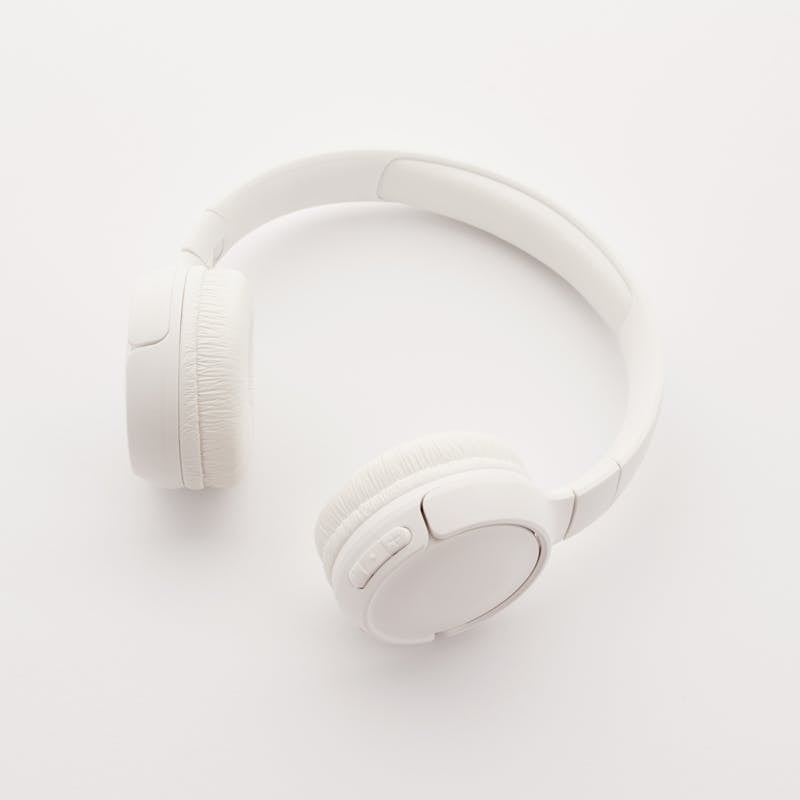
1. Sony WH-1000XM5 — The Gold Standard for Study Sessions
Sony's flagship has held the noise-canceling crown for years, and the XM5 continues that dominance. The Auto NC Optimizer analyzes your environment every second and adjusts the cancellation intensity accordingly — moving from a quiet library to a busy café requires zero manual adjustment. Battery life stretches to 30 hours, which means weekly charging for most students.
The 30mm drivers deliver rich, balanced audio that works beautifully for lo-fi study playlists, classical music, and spoken-word lectures alike. At 250 grams, these are lighter than most competitors, which matters enormously during four-hour study marathons. The multipoint connection lets you stay paired to your laptop and phone simultaneously — pause a lecture on your laptop, take a quick call, and resume without touching a single setting.
Pros: Industry-leading ANC, 30-hour battery, incredibly lightweight, multipoint Bluetooth
Cons: No folding design (less portable), premium price point around $350
2. Bose QuietComfort Ultra Headphones — Best for Absolute Silence
Bose practically invented consumer noise cancellation, and the QuietComfort Ultra proves they still know how to erase the outside world better than almost anyone. Where Sony excels at adaptive cancellation, Bose takes a brute-force approach — the Quiet Mode blocks virtually everything, from HVAC hum to human conversation, with an almost eerie completeness that makes a crowded coffee shop feel like a soundproof booth.
The CustomTune technology runs a quick audio calibration when you put them on, mapping your ear shape to optimize both sound quality and ANC performance for your specific anatomy. Bose's Immersive Audio mode creates spatial sound from any source, which makes long podcast lectures feel more natural and less fatiguing. Comfort is exceptional — the protein leather cushions distribute pressure so evenly that you genuinely forget you're wearing them after the first ten minutes.
Pros: Unmatched noise isolation, personalized sound calibration, supremely comfortable for long sessions
Cons: 24-hour battery (shorter than Sony), Bose app required for full features
3. Apple AirPods Max (2nd Gen, USB-C) — Best for the Apple Ecosystem
If your study setup revolves around a MacBook and iPhone, the AirPods Max integrate with Apple's ecosystem in ways no third-party headphone can match. Automatic device switching means your headphones follow you seamlessly between your Mac, iPad, and iPhone without manual pairing. The H2 chip powers Adaptive Audio, a mode that blends noise cancellation with transparency — perfect for studying at home where you want to block the dishwasher but still hear the doorbell.
The build quality is in a different league entirely. The aluminum ear cups, stainless steel headband, and mesh canopy feel like a premium product in a way that plastic competitors simply cannot replicate. Sound quality is outstanding — the 40mm Apple-designed drivers reveal details in music that lesser headphones flatten into mush. Spatial Audio with head tracking turns study break movie sessions into a mini cinema experience.
Pros: Seamless Apple integration, premium build, Adaptive Audio mode, exceptional sound quality
Cons: Heavy at 384 grams, expensive at $549, limited features outside Apple ecosystem
4. Sennheiser Momentum 4 Wireless — Best Sound Quality for Music-Driven Studying
Some students can only focus with music playing, and if that describes you, the Sennheiser Momentum 4 is your headphone. Sennheiser's audiophile heritage shines through every frequency — bass is tight and controlled rather than boomy, mids are warm and present, and highs sparkle without ever becoming harsh or sibilant. Study playlists sound genuinely better through these than through any competitor at this price range.
The 60-hour battery life is absurd. Charge them on Sunday night and don't think about power until the following month. The Adaptive Noise Cancellation adjusts automatically based on your surroundings, and while it doesn't quite match Sony or Bose in raw blocking power, it handles steady-state noise (air conditioning, airplane engines, café ambiance) with impressive effectiveness. The fold-flat design means they actually fit in a backpack pocket, unlike the Sony XM5.
Pros: 60-hour battery, audiophile-grade sound, compact folding design, great app customization
Cons: ANC slightly below Sony/Bose tier, touch controls can be finicky
5. Sony WH-1000XM4 — Best Budget Pick That Still Competes
Here's the move most tech reviewers won't tell you about: the previous-generation Sony XM4 is still an outstanding headphone, and now that the XM5 has taken the spotlight, XM4 prices have dropped significantly — often landing around $200 or less. You're getting 90% of the XM5's noise cancellation, the same 30-hour battery life, and Sony's LDAC codec support for high-resolution Bluetooth audio.
The XM4 actually has one advantage over its successor: it folds. The folding hinge means it packs down into a much more compact carrying case, making it noticeably more backpack-friendly for students commuting between classes. DSEE Extreme upscaling makes compressed Spotify streams sound closer to CD quality, and the Speak-to-Chat feature automatically pauses your audio when you start talking — handy when a classmate interrupts your study session.
Pros: Excellent ANC at a reduced price, foldable design, 30-hour battery, Speak-to-Chat
Cons: Older design, no multipoint Bluetooth (added via firmware but limited), heavier than XM5

Quick Comparison Table
Sony XM5: 30hr battery | 250g | $350 | Best overall ANC
Bose QC Ultra: 24hr battery | 250g | $429 | Best pure silence
AirPods Max: 20hr battery | 384g | $549 | Best for Apple users
Sennheiser M4: 60hr battery | 293g | $300 | Best sound quality
Sony XM4: 30hr battery | 254g | $200 | Best budget pick
Our Top Pick
For most students, the Sony WH-1000XM5 hits the sweet spot between noise cancellation performance, comfort during long sessions, and reasonable pricing. If you're on a tighter budget, the XM4 delivers nearly identical performance for $150 less — genuinely one of the smartest tech purchases a student can make in 2026.
Whatever you choose, the investment pays for itself the first week you actually finish a study session without losing your train of thought to outside noise.
Comments
Post a Comment