Nintendo Just Raised the Switch 2 Price by $50 — Here's Why Gaming Consoles Are Getting More Expensive in 2026
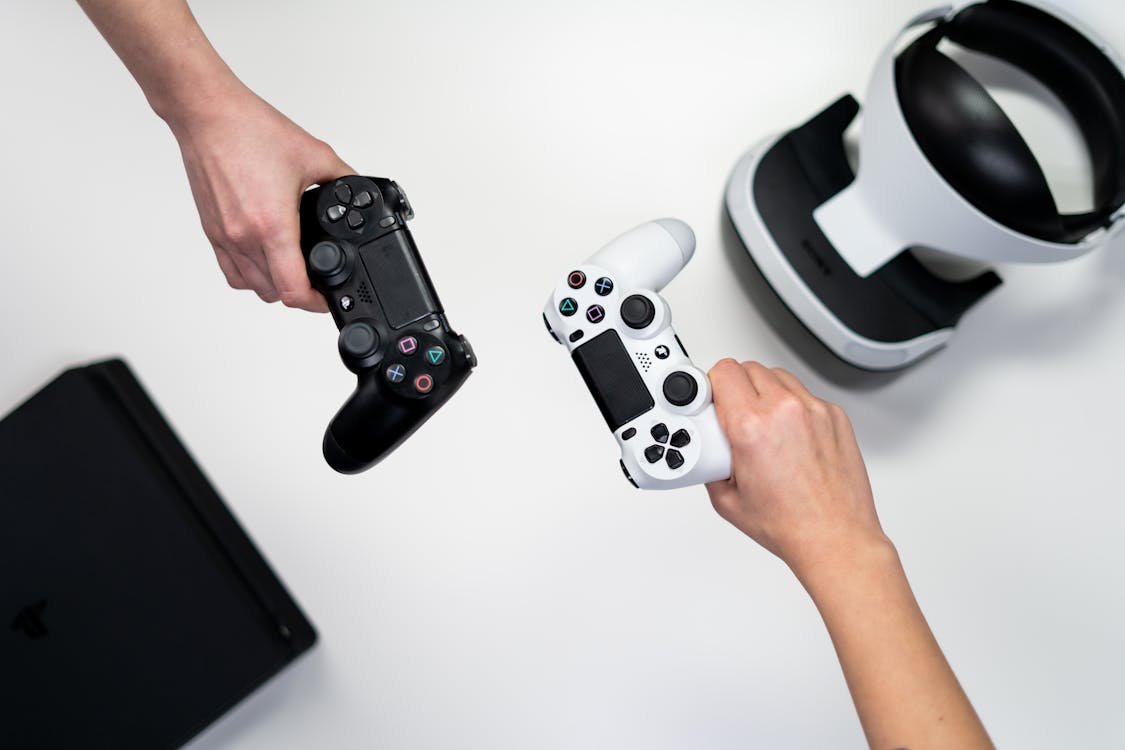
If you were saving up for the Nintendo Switch 2, you might want to start saving a little more. Nintendo just announced a $50 price increase across all Switch 2 models, bringing the base price to $449.99 in the United States. The announcement came alongside news that Pokémon Pokopia has already crossed 4 million sales — but the price hike has dominated the conversation among gamers and industry analysts alike.
Why Is Nintendo Raising the Price?
The culprit? Memory chips. The global AI boom has created an unprecedented demand for high-bandwidth memory (HBM) chips, the same type of memory used in AI data centers, gaming consoles, and smartphones. Companies like Nvidia, AMD, and Google are buying up memory capacity at record rates to power their AI infrastructure, and that is squeezing the supply for consumer electronics manufacturers.
Nintendo specifically cited "rising component costs" in their official statement, and Reuters confirmed that both Nintendo and Sony are grappling with memory price surges. SK Hynix and Samsung, the world's two largest memory manufacturers, have been prioritizing AI-related orders because they command higher margins — leaving console makers to compete for what's left.
This isn't just a Nintendo problem. Sony has reportedly been absorbing similar cost increases on the PS5 Pro, and analysts expect the next Xbox to launch at a premium price point as well. The era of $299 gaming consoles may be over for good.
What Does the Switch 2 Actually Offer?
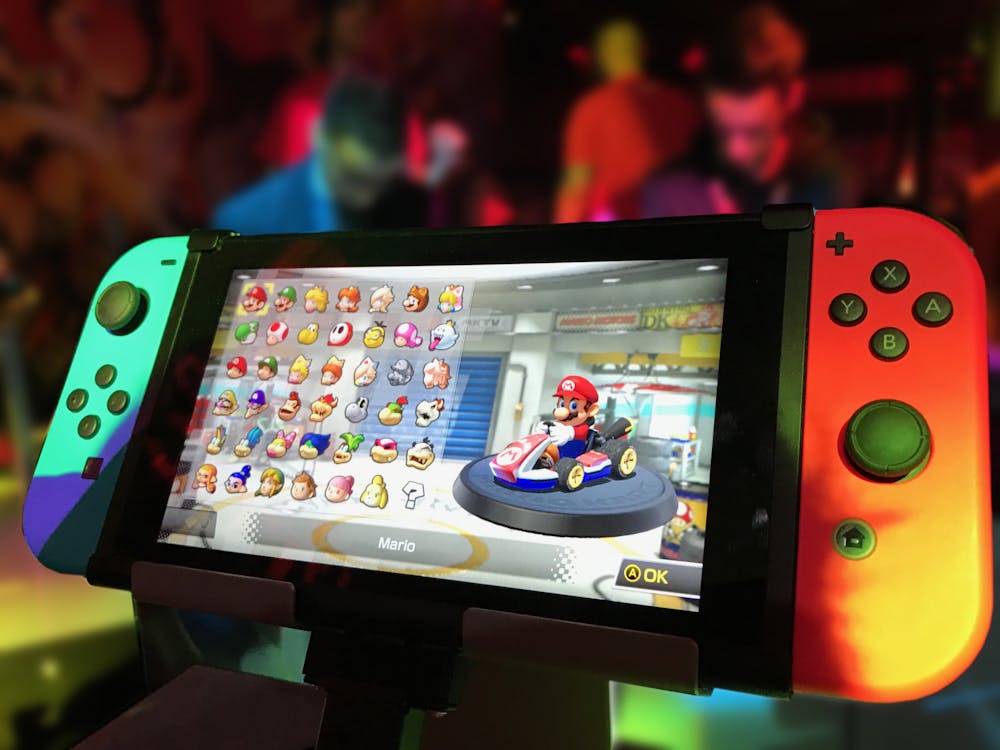
Even at the higher price, the Switch 2 is shaping up to be an impressive piece of hardware. Here's what we know so far:
- 8-inch LCD display (up from the original's 6.2 inches)
- NVIDIA T239 processor with ray tracing support
- 12GB of RAM (a massive upgrade from the original's 4GB)
- 256GB internal storage with microSD Express support
- 4K output when docked via DLSS upscaling
- Magnetic Joy-Cons with mouse-like optical sensors
- Full backward compatibility with Switch 1 games
The console launched in June 2026 and has already sold over 10 million units worldwide, despite supply constraints. Pokémon Pokopia, the launch title, has been a runaway hit with 4 million copies sold in its first month — making it one of the fastest-selling Pokémon games ever.
The AI Tax on Everything
What's happening with the Switch 2 is part of a much bigger trend that's been building throughout 2025 and 2026. The AI industry's insatiable appetite for computing resources is creating ripple effects across the entire consumer electronics market.
Memory prices have surged 40-60% year over year, driven almost entirely by AI demand. TSMC, the world's largest chip foundry, has been allocating more of its advanced manufacturing capacity to AI chips for companies like Nvidia and Apple, leaving less room for gaming-specific silicon.
This "AI tax" is showing up everywhere — from smartphones getting $50-100 more expensive to laptops costing 15-20% more than equivalent models from two years ago. Gaming consoles, which operate on razor-thin hardware margins to begin with, are particularly vulnerable.
"The console business model of selling hardware at cost or at a loss simply doesn't work when component prices are this volatile. Something had to give." — Matthew Piscatella, Circana Games Analyst
How Does the Switch 2 Compare to Competitors?
Even at $449.99, the Switch 2 is still cheaper than both the PS5 Pro ($699) and the Asus ROG Ally X ($799). Its hybrid portable/home console design remains unique in the market, and Nintendo's first-party game library is arguably stronger than it's ever been.
For budget-conscious gamers, there are still some solid alternatives worth considering:
The original Nintendo Switch OLED is still available at $349 and has an incredible library of thousands of games. If you're not in a rush for the latest graphics, it's still an excellent value. Check prices on Amazon →
A solid gaming headset can dramatically improve your Switch 2 experience. The SteelSeries Arctis series offers excellent wireless audio that works perfectly with the Switch 2's Bluetooth audio support.
And if you're planning to go all-in on portable gaming, a quality carrying case and microSD Express card are practically essential accessories.
The Bigger Picture: Are We Entering a Post-Affordable Tech Era?
The Switch 2 price hike is just the latest data point in a worrying trend. Between the AI-driven chip shortage, rising tariffs on Chinese components, and inflation across the supply chain, consumer tech is getting meaningfully more expensive across the board.
Phone manufacturers have been quietly raising prices too. The average selling price of a smartphone globally crossed $400 for the first time in 2026, up from $320 just three years ago. TVs, tablets, smartwatches — everything with a chip in it is feeling the squeeze.
For gamers specifically, this means the days of impulse-buying a console might be over. A $449 Switch 2, a couple of $69 games, and accessories can easily push a total investment past $600. That's a meaningful purchase that requires real budgeting for most households.
Should You Still Buy the Switch 2?
Despite the price increase, the Switch 2 remains one of the best gaming values on the market — especially if you factor in Nintendo's legendary first-party titles. The backward compatibility alone means you have access to an enormous library from day one.
If you're on the fence, here's our take: wait for a bundle deal. Holiday 2026 will almost certainly bring Switch 2 bundles with a game included, effectively absorbing the price hike. Nintendo has done this with every console generation, and retailers like Amazon and Walmart will compete aggressively on Black Friday pricing.
In the meantime, the AI boom that's driving these prices up isn't slowing down anytime soon. If anything, expect more price adjustments across the tech industry as 2026 rolls on. The new normal might just be… more expensive.
Affiliate Disclosure: The Smart Pick may earn a commission from qualifying purchases made through links in this article. This does not affect our editorial independence or product recommendations.
Comments
Post a Comment