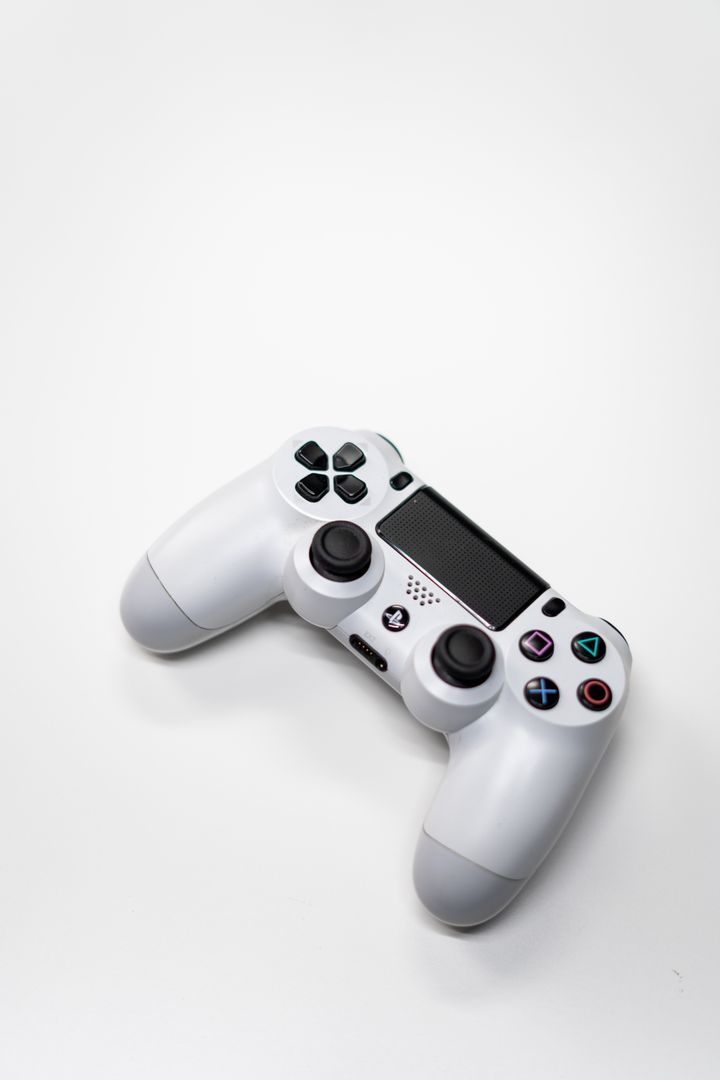
Valve just dropped a bombshell that has the gaming and maker communities buzzing. The company behind Steam, the Steam Deck, and Half-Life has released the complete CAD files for its new Steam Controller under a Creative Commons license — meaning anyone with a 3D printer and some ambition can start designing custom accessories, mods, and add-ons right now.
This isn't just a PR stunt. It's a signal that Valve is doubling down on the open-hardware philosophy that made the Steam Deck a cult favorite. And if you're into gaming, DIY projects, or just love watching a massive company hand the keys to its community, this story is worth your attention.
What Exactly Did Valve Release?
On May 6th, 2026, Valve published full CAD files for the external shell of both the Steam Controller and the Steam Controller Puck. The release includes .STP files (the industry standard for 3D modeling), .STL files (ready for 3D printing), and detailed engineering diagrams showing which areas of the controller must remain uncovered for signal strength and proper function.
Think of it like getting the architectural blueprints for a building — except this building fits in your hands and lets you play Elden Ring. The files cover the surface topology, meaning you can design skins, custom grips, charging docks, phone mounts, and anything else that attaches to the outside of the controller without voiding its functionality.
Why This Matters for the Gaming Community
The Steam Controller already sold out in minutes when it launched, with demand far exceeding supply. By releasing the CAD files, Valve is essentially telling its community: "We can't make enough accessories fast enough — so here, you do it."
This is brilliant for several reasons. First, it creates an instant ecosystem of third-party accessories without Valve spending a dime on manufacturing. Second, it builds community loyalty — gamers love companies that treat them like partners, not just wallets. Third, it generates free publicity (like this article) every time someone 3D-prints a wild custom mod and posts it online.
The Creative Commons license (CC BY-NC-SA 4.0) allows non-commercial use with attribution and requires sharing designs back to the community. Commercial manufacturers who want to sell accessories can contact Valve directly for licensing terms.
Valve's Open Hardware Track Record
This isn't Valve's first rodeo with open hardware. They released CAD files for the Steam Deck, the Valve Index VR headset, and even the original Steam Controller a decade ago. Each time, the maker community responded with an explosion of creative accessories — from custom joystick caps to full-body controller shells in every color imaginable.
The Steam Deck's CAD release, in particular, spawned an entire cottage industry. Companies like JSAUX and Anker used the open files to design docks, cases, and screen protectors that fit perfectly. Individual makers on Etsy and Printables created everything from grip extenders to retro-themed shells.
What Modders Are Already Planning
Within hours of the release, online forums and communities were already buzzing with ideas. The most requested accessories so far include:
- Smartphone clips — Mount your phone above the controller for cloud gaming via Steam Link or Moonlight
- Custom grip extensions — For gamers with larger hands who want more comfort during marathon sessions
- Charging docks — Desktop stands that charge while displaying the controller
- Themed shells — Portal-themed, Half-Life-themed, or completely custom artistic designs
- Accessibility mods — Adapted grips and button extenders for gamers with disabilities
The accessibility angle is particularly exciting. Major controller manufacturers have been slow to create adaptive accessories, and the open CAD files mean the disability gaming community can design solutions tailored to specific needs.
How to Get Started with 3D Printing Controller Mods
If you've been looking for an excuse to get into 3D printing, this might be it. The .STL files are ready to load into any slicer software and print on consumer-grade 3D printers. Here's what you need:
A decent 3D printer like the Bambu Lab A1 or Creality Ender series will handle these prints without breaking a sweat. For materials, PLA works fine for cosmetic pieces, while PETG or ABS is better for functional parts that need durability. TPU (flexible filament) is ideal for grip covers.
CAD software like Fusion 360 (free for personal use) can open the .STP files, letting you modify designs or create entirely new accessories that mate perfectly with the controller's geometry.
The Bigger Picture: Open Source Gaming Hardware
Valve's consistent commitment to open hardware stands in stark contrast to competitors like Sony and Microsoft, who guard their hardware designs like state secrets. While PlayStation and Xbox controllers require reverse-engineering for third-party accessories, Valve simply hands you the blueprints and says "go wild."
This philosophy extends beyond controllers. The Steam Deck runs SteamOS (based on Linux), Proton makes Windows games playable on Linux, and Valve actively encourages competition in PC gaming hardware. It's a bet that an open ecosystem grows the pie for everyone — and so far, it's paying off handsomely.
The Steam Controller's sell-out launch proved that gamers want this device. The CAD release ensures that even as Valve ramps up production, the community can fill the gaps with accessories, mods, and creative solutions that no single company could dream up alone.
What's Next for the Steam Controller?
Valve has said more stock is coming, though they haven't given specific dates. In the meantime, the modding community is moving fast. Expect to see Printables, Thingiverse, and MakerWorld flooded with Steam Controller accessories within weeks.
For gamers who already have the controller, this is an invitation to make it truly yours. For makers and designers, it's a playground. And for the rest of us watching from the sidelines, it's a reminder that the best things in gaming happen when companies trust their communities.
Bottom Line: Valve's decision to open-source the Steam Controller's design files is a win for gamers, makers, and the open-hardware movement. Whether you're planning to 3D-print a custom phone mount or just want to admire the engineering, the files are available now on Steam Community under Creative Commons.
Disclosure: This article contains affiliate links. If you purchase through these links, we may earn a small commission at no extra cost to you. We only recommend products we genuinely believe in.
Comments
Post a Comment